October Newsletter

New York Space Grant supports many general public activities across New York State, including:
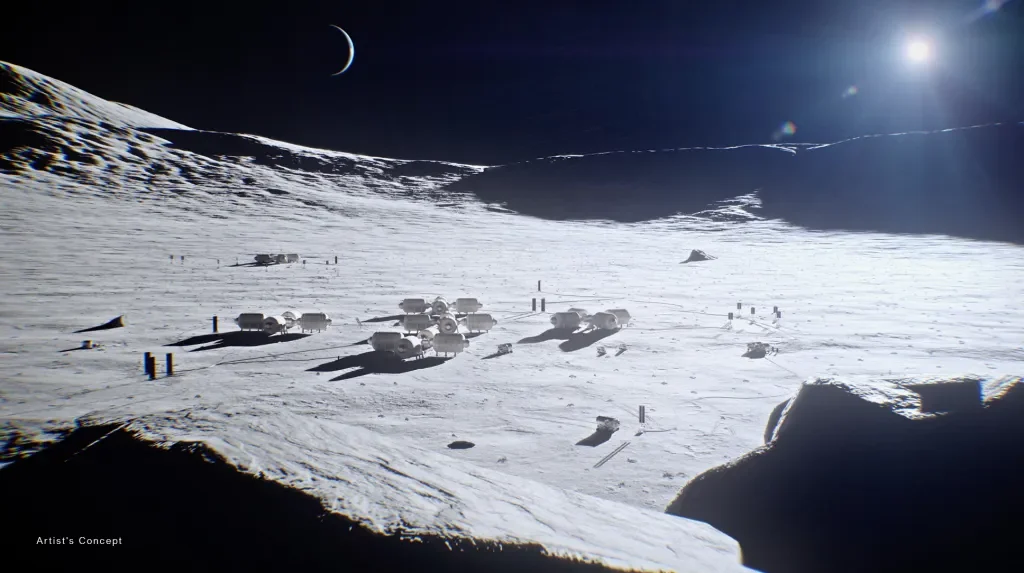
Nasa Moon Base Challenge
NASA’s 2027 Moon Base Challenge invites high school and post-secondary student teams to develop innovative solutions supporting the construction and long-term operation of a lunar base. Teams will propose concepts addressing one of six categories: Power Generation and Storage, Habitat Construction, Life-Support Systems, Surface Mobility, Communication Networks, or Astronaut Safety. The competition offers a total prize pool of up to $1 million, with finalist teams advancing to present their solutions and compete for awards. Participants will gain hands-on experience tackling real-world engineering challenges while helping shape the future of human exploration on the Moon.
ELIGIBILITY: Teams of 2–5 students from eligible U.S.-based high schools and post-secondary institutions, with an adult coach.
APPLY BY: Monday, Jan. 25, 2027
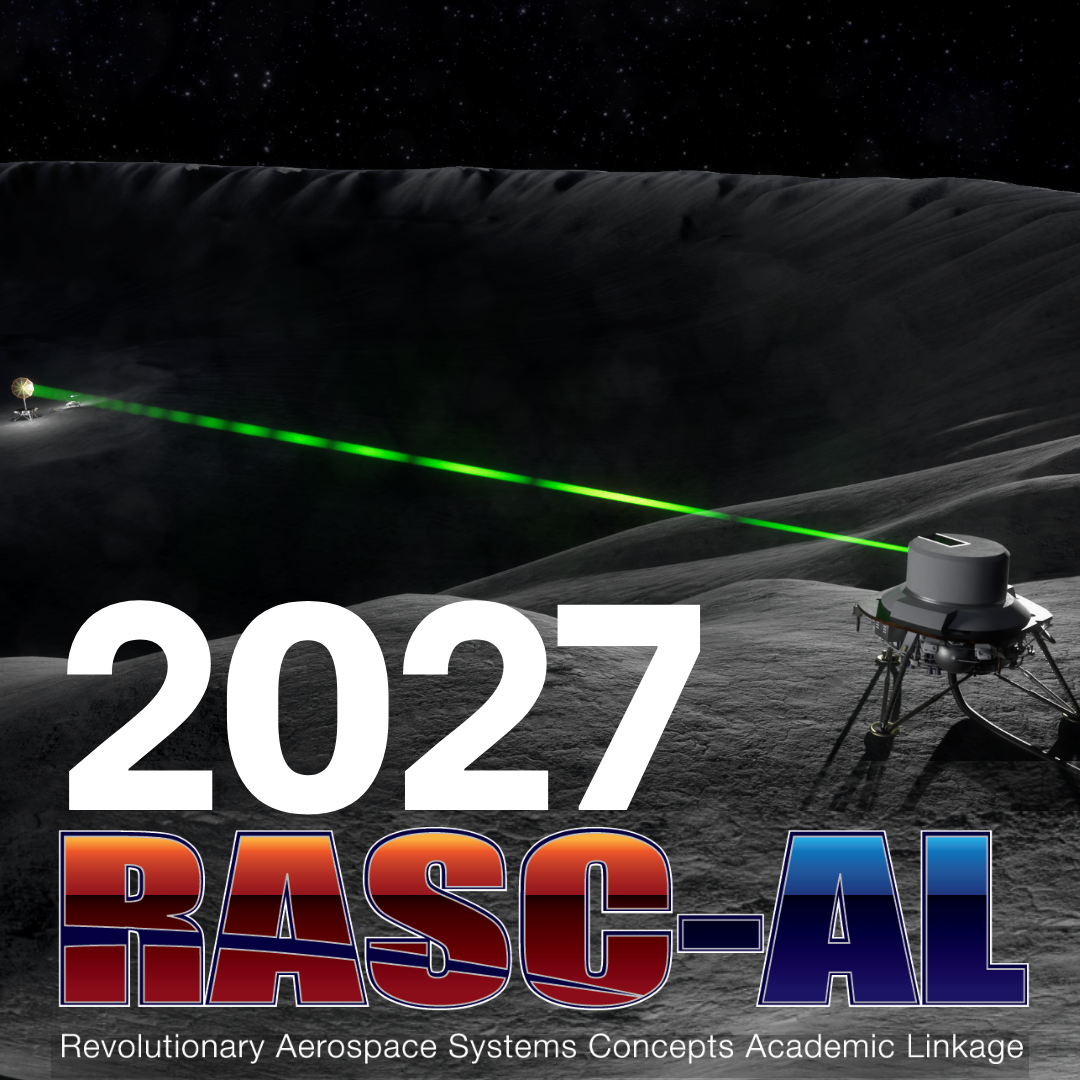
Image: Rasc-Al
Notice of Intent Deadline: Tuesday, Oct. 13
Virtual Information Sessions: Tuesday, Oct. 27
Contact: rascal@nianet.org
Eligibility: Undergraduate and graduate students at U.S. based institutions.
NASA’s 2027 RASC-AL Competition invites undergraduate and graduate student teams from U.S. colleges and universities to develop innovative concepts supporting the development of a lunar base and future exploration of the Moon’s South Pole. Teams will propose engineering solutions addressing one of four themes: Enabling Extreme Exploration, Transit Pathway Construction, Lunar Resource Exploration, or Smart/Resilient Lunar Habitat. Up to 14 teams will advance to Phase 2 and receive a $7,500 award, with the top two teams earning additional funding and an opportunity to present their concepts at a major aerospace conference.
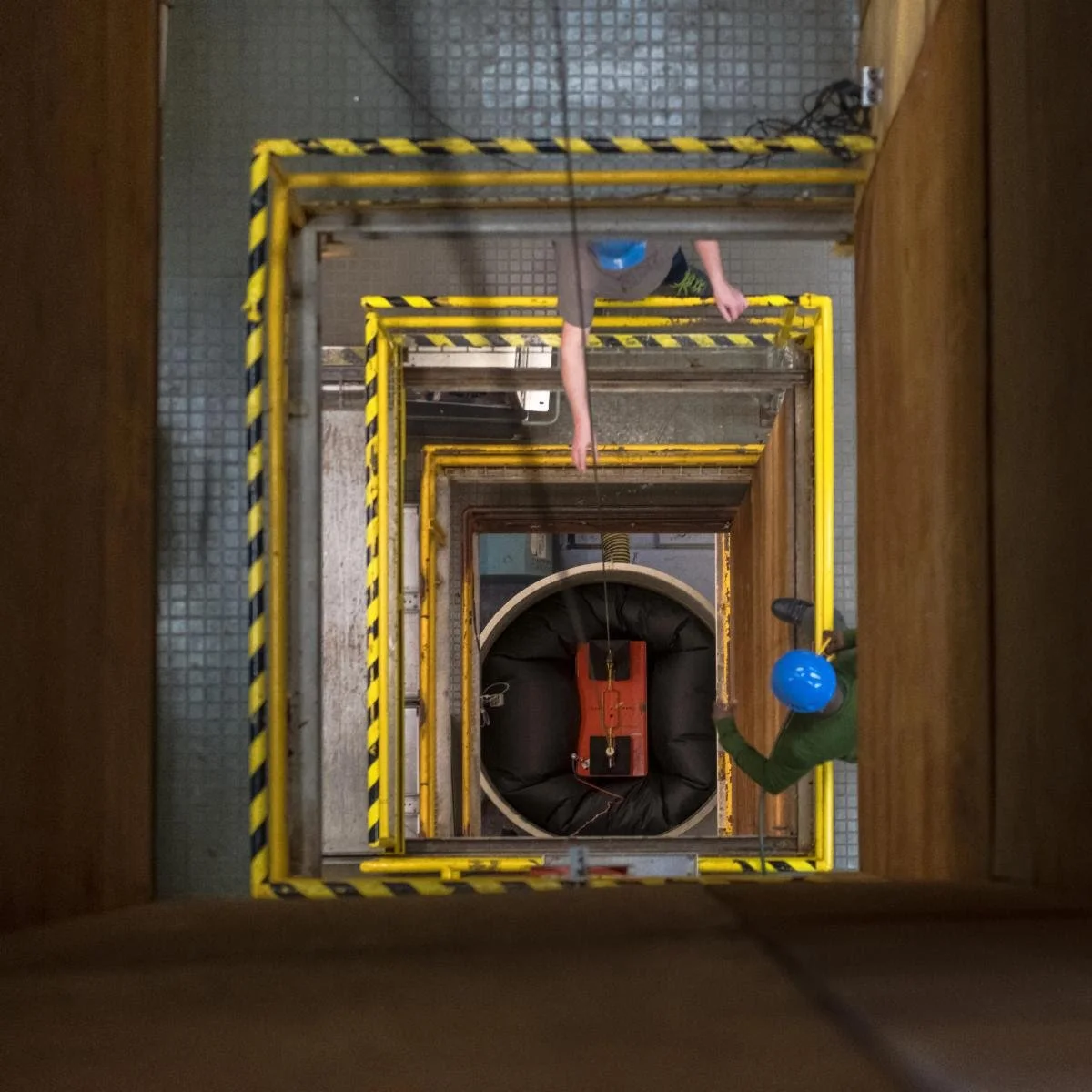
Image: NASA
Proposal Deadline: Monday, Oct. 26th
Contact: Ed-DropTower@lists.nasa.gov
Eligibility: Highschool students, grades 8-12.
NASA’s 2.2 Second Drop Tower Competition challenges teams of students in grades 8–12 to design and build small devices that use their wetting properties to draw in water during a brief period of microgravity. Selected teams will construct and send their devices to NASA’s Glenn Research Center, where they will be tested during a 24-meter drop in the 2.2 Second Drop Tower. Students receive video of their experiment to analyze and use in a final report, with both device performance and the team’s analysis considered in the selection of competition winners.